
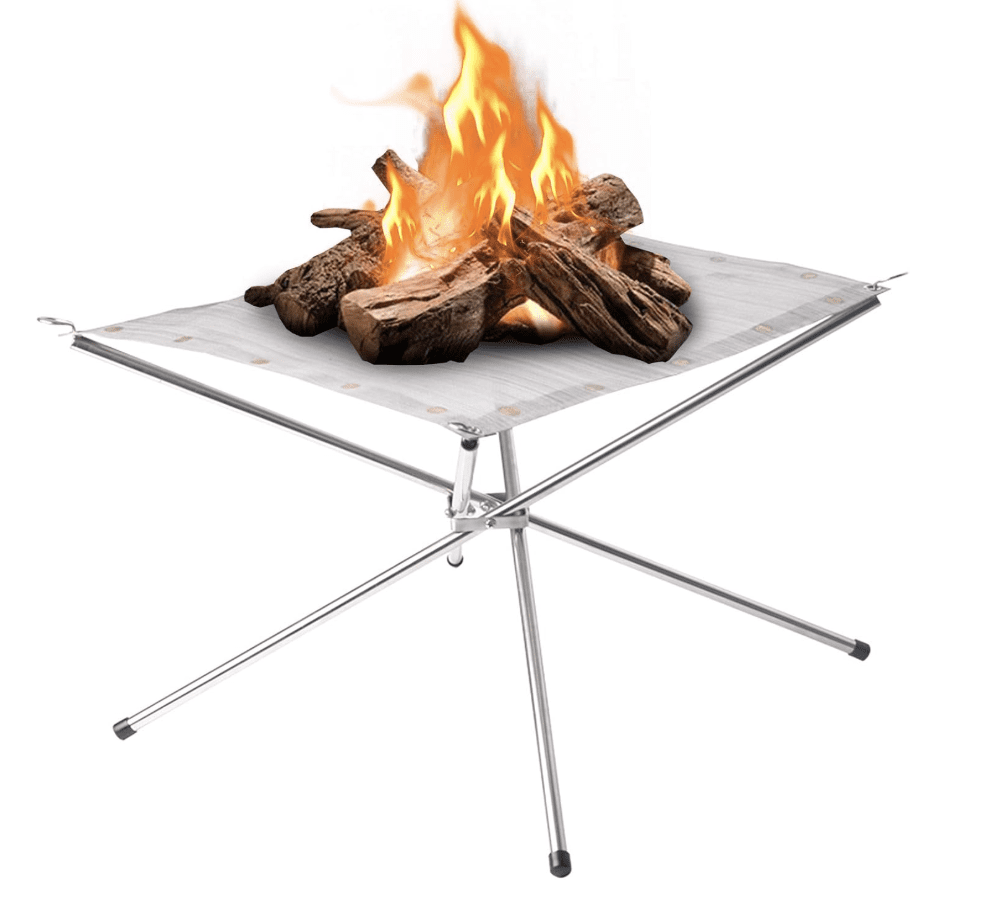
What is Stainless Steel Woven Mesh?
Stainless steel woven mesh is a versatile industrial material manufactured by weaving stainless steel wires together in a precise pattern. This critical process creates a durable, corrosion-resistant screening medium used across numerous industries worldwide. The weaving technique involves interlacing warp wires (running lengthwise) with weft wires (running crosswise) at right angles, forming a stable grid structure that maintains its integrity under demanding conditions.
The history of woven wire mesh dates back centuries, but modern stainless steel variants have revolutionized industrial filtration, separation, and protection applications. Today, stainless steel woven mesh represents the gold standard for applications requiring exceptional strength, chemical resistance, and longevity in harsh environments.
Key Features and Benefits
- Superior Corrosion Resistance: Chromium content (typically 10.5%-11%) forms a passive oxide layer that protects against rust, oxidation, and chemical attack. Grades 304 and 316 offer excellent resistance to most acids, alkalis, and atmospheric conditions.
- High Tensile Strength: Stainless steel wire maintains structural integrity under extreme pressure, temperatures up to 600°C (1112°F), and mechanical stress without deformation.
- Precise Mesh Openings: Available in openings from 1mm to 100mm, with tight tolerances ensuring consistent filtration performance and particle retention.
- Excellent Durability: Resistant to abrasion, impact, and wear, providing long service life even in demanding industrial environments.
- Temperature Resistance: Performs reliably across extreme temperature ranges from cryogenic conditions to high-heat applications.
- Easy Cleaning and Maintenance: Non-porous surface allows for straightforward cleaning, sterilization, and reuse—critical for food processing and pharmaceutical applications.
- Recyclable and Sustainable: 100% recyclable material supports environmental sustainability initiatives and reduces lifecycle costs.
Applications
Stainless steel woven mesh serves critical roles across diverse industries:
- Industrial Filtration: Liquid and gas filtration in chemical processing, oil refining, and water treatment facilities
- Food Processing: Screening, sieving, and processing of grains, spices, coffee, and other food products
- Pharmaceutical and Medical: Sterile filtration, equipment protection, and laboratory screening
- Architecture and Construction: Facade panels, sunshades, security screens, and decorative applications
- Automotive: Exhaust filters, fuel filters, and engine component protection
- Mining and Aggregates: Sizing and separation of minerals, ores, and aggregate materials
- Electronics: EMI/RFI shielding, printer ink screens, and PCB manufacturing
Specifications and Technical Parameters
| Parameter | Specification Range |
|---|---|
| Material Grades | 304, 304L, 316, 316L, 310, 321 |
| Wire Diameter | 0.02mm – 5.0mm |
| Mesh Opening | 1mm – 100mm |
| Weave Patterns | Plain, Twill, Dutch, Reverse Dutch |
| Standard Roll Width | 0.5m – 2.0m |
| Standard Roll Length | 30m, 50m, 100m |
| Tensile Strength | 500-2000 N/mm² |
| Temperature Rating | -200°C to +600°C |
How to Choose the Right Stainless Steel Woven Mesh
Selecting the appropriate woven mesh requires careful consideration of several factors:
1. Determine the Application Environment
Assess exposure to chemicals, temperatures, moisture, and physical stress. For marine or chloride-rich environments, type 316L stainless steel provides superior pitting resistance compared to 304.
2. Select Appropriate Material Grade
– 304/304L: General purpose, excellent corrosion resistance
– 316/316L: Marine applications, chloride exposure, acidic conditions
– 310: High-temperature applications up to 1100°C
– 321: High-temperature with added titanium for stabilization
3. Choose Correct Mesh Opening
Calculate required particle retention size. Consider whether the application demands exact sizing (precision screening) or general separation.
4. Select Weave Pattern
– Plain Weave: Standard applications, balanced strength
– Twill Weave: Finer meshes, higher strength, smoother surface
– Dutch Weave: Extremely fine filtration, superior strength
– Reverse Dutch: High flow rates with fine filtration
5. Verify Wire Diameter
Thicker wires provide greater strength but reduce open area percentage. Balance mechanical requirements against flow rate needs.
Conclusion
Stainless steel woven mesh remains an indispensable material across industrial, commercial, and architectural applications. Its combination of strength, corrosion resistance, and versatility makes it the preferred choice for demanding environments where performance and reliability are non-negotiable. By understanding the technical specifications and application requirements, buyers can select the optimal mesh configuration to maximize operational efficiency and minimize total cost of ownership.
For custom specifications or bulk orders, consult with experienced manufacturers who can provide technical guidance, material certifications, and quality assurance documentation tailored to your specific application requirements.