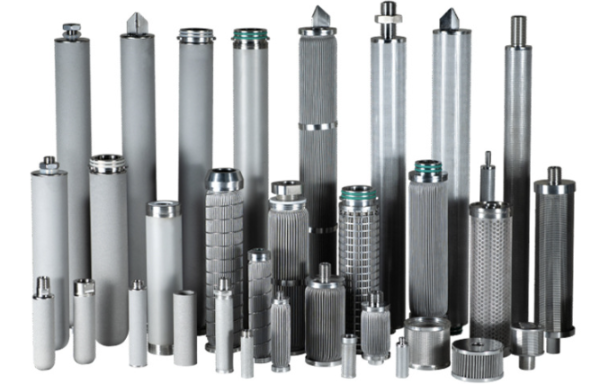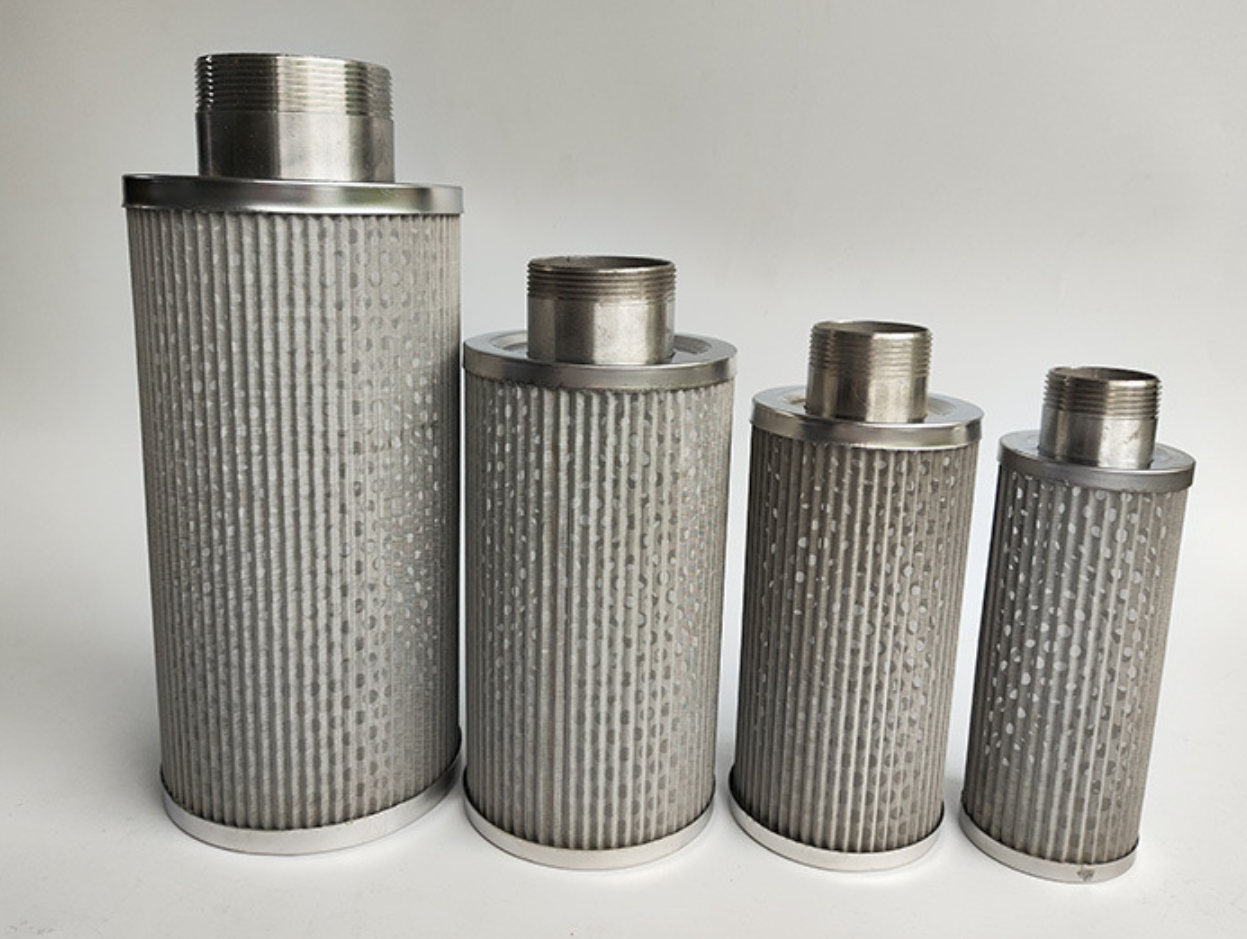
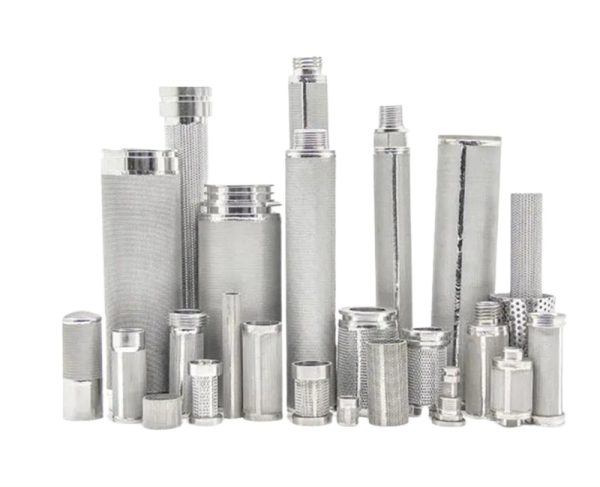
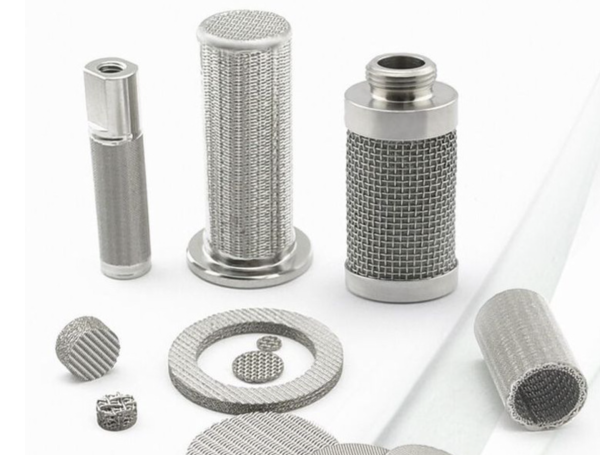
Stainless steel sintered filter is a kind of filter equipment made of stainless steel powder or stainless steel mesh through high temperature sintering process, with excellent mechanical strength, high temperature resistance, corrosion resistance and precision filtration accuracy. It is widely used in petrochemical, pharmaceutical, food, environmental protection and other industries, and can meet the needs of high precision, long life and efficient filtration. Sintered stainless steel filters offer many advantages over conventional filters and are the ideal filtration solution for harsh conditions.
First, the main characteristics of stainless steel sintered filter
High strength and mechanical stability Stainless steel filters sintered at high temperatures have extremely high mechanical strength, maintaining shape and filtration accuracy even under high pressure environments. Its structure is strong, able to withstand shock and vibration, not easy to deformation or rupture, suitable for harsh working environments.
Excellent high temperature resistance Stainless steel sintered filters can work in extremely high temperature environments, the temperature range can usually reach 600°C or higher, suitable for the filtration of high temperature gases and liquids. Even in continuous high temperature operation, it can still maintain stable performance, and will not cause material deterioration or failure due to high temperature.
Excellent corrosion resistance using 304, 316L high quality stainless steel sintered filter, with strong corrosion resistance. Whether in acidic, alkaline, salt spray or other corrosive media, the filter is durable for a long time. Its stainless steel material can effectively resist the erosion of chemical substances, suitable for chemical and pharmaceutical and other harsh conditions.
The porous structure of the sintered stainless steel filter can be precisely controlled according to the application requirements, and the common filtration accuracy can range from 1 micron to 200 micron. Due to its uniform pore size distribution, it enables efficient particle interception and filtration, effectively removing impurities from liquids or gases, while maintaining high transmittance and ensuring efficient filtration.
The sintered stainless steel filter can be cleaned and recycled many times, with good economy. Through reverse cleaning, ultrasonic cleaning, chemical cleaning and other ways, it can easily remove the blocked impurities, restore its original filtration performance, reduce the replacement frequency, and reduce long-term operating costs.
Second, stainless steel sintered filter manufacturing process
Sintered stainless steel filters usually use two manufacturing processes:
Sintered powder technology: the stainless steel powder is sintered at high temperature to form a filter element with a uniform porous structure. This process allows precise control of porosity and filtration accuracy, suitable for scenarios requiring high intensity and precision filtration.
Sintered mesh technology: Multi-layer stainless steel mesh is superimposed and sintered at high temperature to form a layered filter structure with high strength and good permeability. The combination of different mesh holes allows for more complex filtration requirements.
Regardless of the process, the sintering process is carried out in vacuum or inert gas, ensuring the purity and sintering quality of the material, giving it high durability and stable filtration performance.
Third, the application field of stainless steel sintered filter
Petrochemical industry In the oil, gas and chemical industry, stainless steel sintered filters are widely used in gas purification, oil filtration, catalyst recovery and other processes. Its excellent high temperature resistance and corrosion resistance enable it to handle a variety of corrosive fluids, ensuring the safety of the production process and the long-term stable operation of the equipment.
In pharmaceutical and food processing, stainless steel sintered filters are often used in aseptic filtration, purified water treatment, fermentation gas filtration and other processes. Its corrosion resistance and antimicrobial properties ensure the hygiene and safety of the filtration process, especially in the pharmaceutical industry, where stainless steel meets the requirements of GMP (Good Manufacturing Practice for Pharmaceutical Products) to avoid contaminating drugs or food.
Water treatment and environmental protection In the field of water treatment and environmental protection, stainless steel sintered filters are often used in sewage treatment, industrial wastewater filtration, air purification and other processes. It can effectively remove suspended particles and impurities in water, especially for the front-end filtration of reverse osmosis pretreatment or membrane filtration system, improve the efficiency of subsequent filtration and equipment life.
Sintered stainless steel filters are widely used in the purification of compressed air, natural gas and industrial gases. Due to its high strength and oxidation resistance, it can work under high pressure to ensure the accuracy of gas purification and reduce the risk of equipment failure, especially for compressed air systems, gas turbines and hydrogen purification.
High temperature and high pressure conditions Because of its ability to withstand high temperature and high pressure, stainless steel sintered filters are widely used in metallurgy and nuclear industry. In these areas, filters need to cope with extreme operating conditions and ensure the purity of the medium while maintaining a long service life and reliability.
Four, the advantages of stainless steel sintered filter
High temperature and corrosion resistant sintered stainless steel filters can withstand operating temperatures up to 600°C and have excellent corrosion resistance. It maintains stable filtration performance in both extreme temperatures and corrosive media environments.
Precision filtration and high throughput porous structure allows precise control of filtration accuracy while ensuring high throughput. Even when dealing with liquids or gases with high viscosity or particle content, the filter maintains high transmission efficiency and reduces pressure loss.
Durability and renewability Stainless steel sintered filters can be cleaned and used repeatedly due to the characteristics of their materials, significantly reducing the cost of use. Compared with disposable filters, it is more economical and environmentally friendly, especially in industrial production, with long service life and simple maintenance.
Environmental protection and pollution-free stainless steel material itself has good environmental performance, will not produce secondary pollution to the filter medium, especially suitable for pharmaceutical, food, beverage and other industries with high requirements for health conditions application scenarios.