
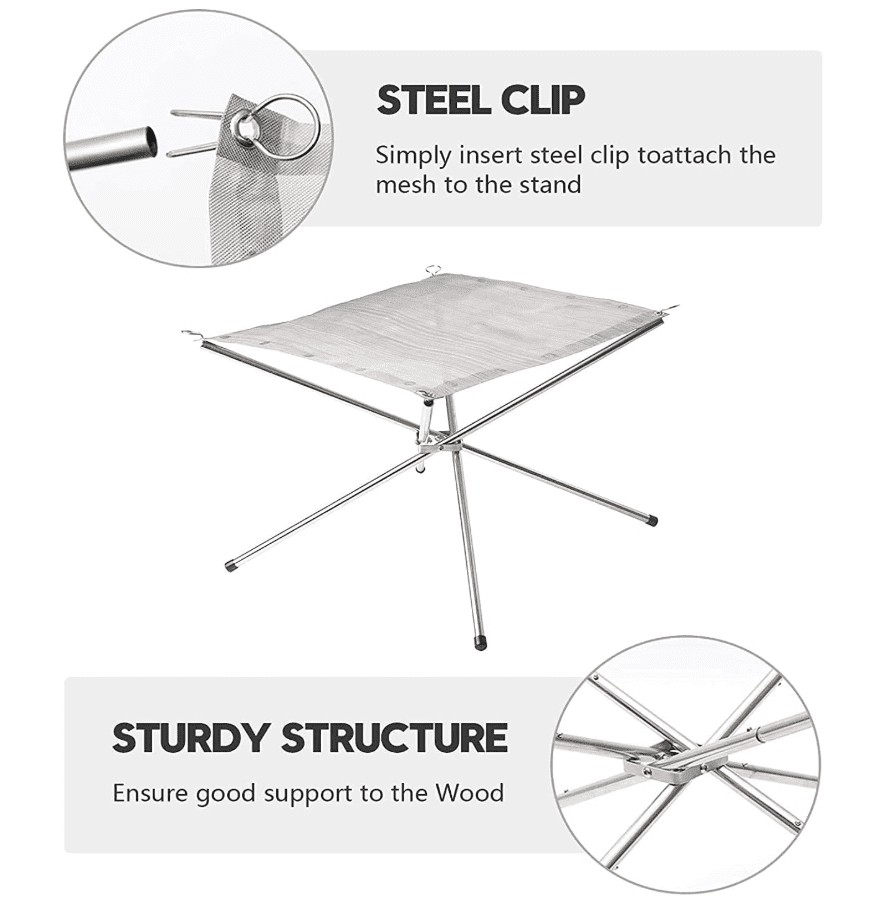
What is Perforated Metal Mesh?
Perforated metal mesh is created by punching or drilling precise holes in metal sheets, creating a versatile material with uniform openings. Unlike woven wire mesh, perforated metal offers exceptional structural strength, consistent hole patterns, and excellent aesthetic appeal for architectural and industrial applications.
Available in various metals including stainless steel, aluminum, copper, and brass, perforated mesh serves applications from heavy-duty industrial screening to elegant architectural facades.
Key Features and Benefits
- High Structural Strength: Continuous sheet structure provides superior load-bearing capacity compared to woven mesh
- Precise Hole Patterns: Computer-controlled punching ensures consistent hole size, shape, and spacing
- Versatile Opening Shapes: Round, square, slotted, hexagonal, and custom patterns available
- Excellent Aesthetic Options: Multiple finishes (mill, brushed, powder-coated) for architectural applications
- Superior Air Flow: Optimized open area percentages for ventilation and acoustic applications
- Easy Fabrication: Can be cut, bent, welded, and formed using standard metalworking techniques
- Lightweight yet Durable: Excellent strength-to-weight ratio reduces structural load requirements
Applications
- Architecture and Design: Facade panels, sunshades, interior decorative panels, acoustic ceiling tiles, and railing infills
- Industrial Filtration: Liquid and gas filtration, strainers, spray nozzles, and equipment guards
- Automotive: Speaker grilles, instrument panel ventilation, engine intake screens, and decorative trim
- Electronics: EMI/RFI shielding, speaker vents, and equipment enclosures
- Food Processing: Baking trays, screening equipment, and processing guards
- Mining and Aggregates: Screening panels, dewatering screens, and material separation
Technical Specifications
| Parameter | Specification Range |
|---|---|
| Material | Stainless Steel, Aluminum, Steel, Brass, Copper |
| Thickness | 0.3mm – 12mm |
| Hole Diameter | 0.5mm – 100mm |
| Open Area | 5% – 70% |
| Hole Patterns | Round, Square, Slotted, Hexagonal, Decorative |
| Sheet Size | Standard: 1000x2000mm, 1200x2400mm |
Selecting the Right Perforated Metal
1. Application Requirements
Determine primary function: filtration, ventilation, decoration, or structural. Each requires different open area and thickness specifications.
2. Material Selection
Match metal to environmental conditions. 304/316 stainless steel for corrosion resistance, aluminum for light weight, carbon steel for cost-effective strength.
3. Hole Pattern and Size
Select pattern that optimizes flow characteristics and meets particle retention requirements while maintaining structural integrity.
4. Open Area Calculation
Balance airflow/filtration needs against structural strength. Higher open area reduces strength but improves flow.
Conclusion
Perforated metal mesh combines functionality with aesthetic flexibility, making it ideal for applications requiring both performance and visual appeal. From industrial filtration to architectural masterpieces, perforated metal delivers reliable performance with design versatility.